25 Products You Can Make with Seamless Pattern Designs
Seamless patterns are incredibly versatile design assets. Because they repeat continuously without visible edges, they can cover surfaces of any size. This simple design structure makes them ideal for a wide range of products, from fabric and packaging to stationery and home décor.
For artists, makers, and small businesses, seamless patterns can become the foundation for entire product collections. A single design can appear across multiple items while maintaining a consistent visual style. This allows product lines to feel cohesive while still offering variety.
Below are twenty-five examples of products that work particularly well with seamless pattern designs.
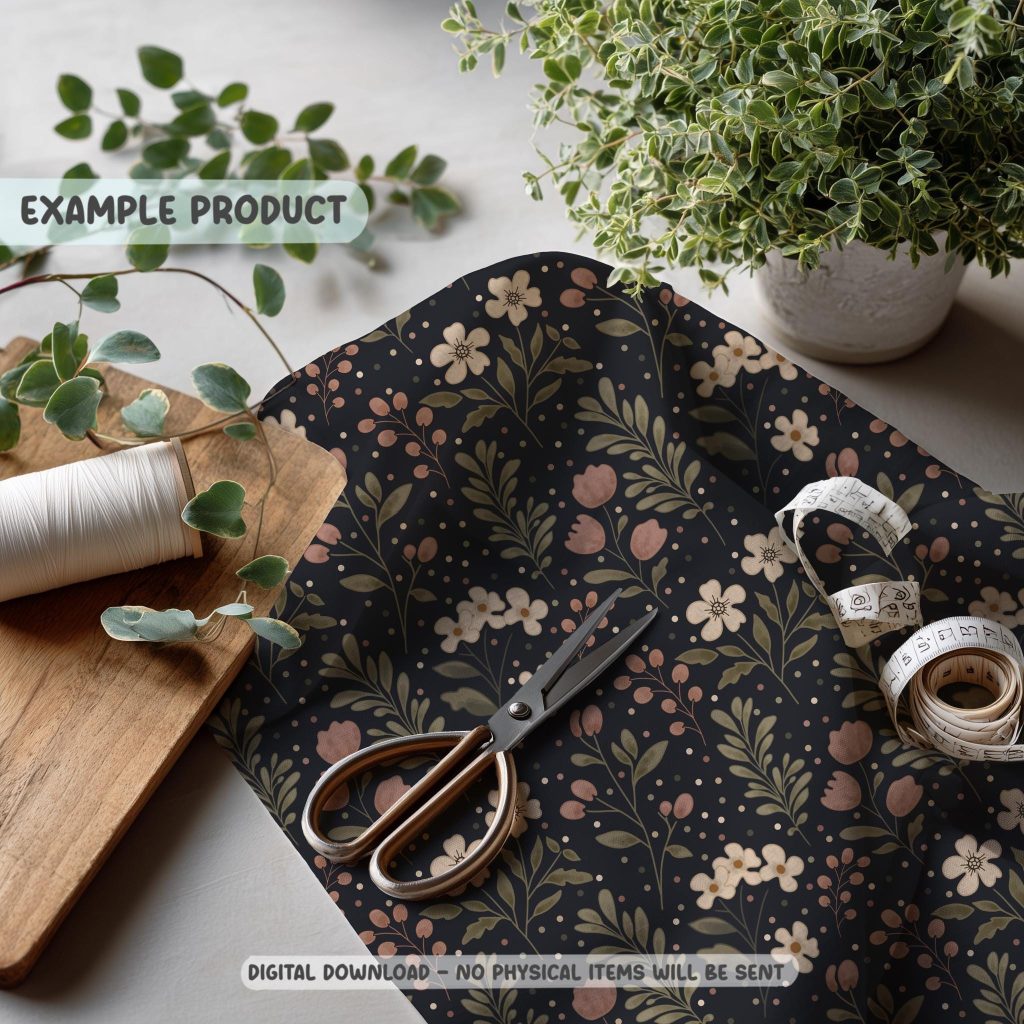
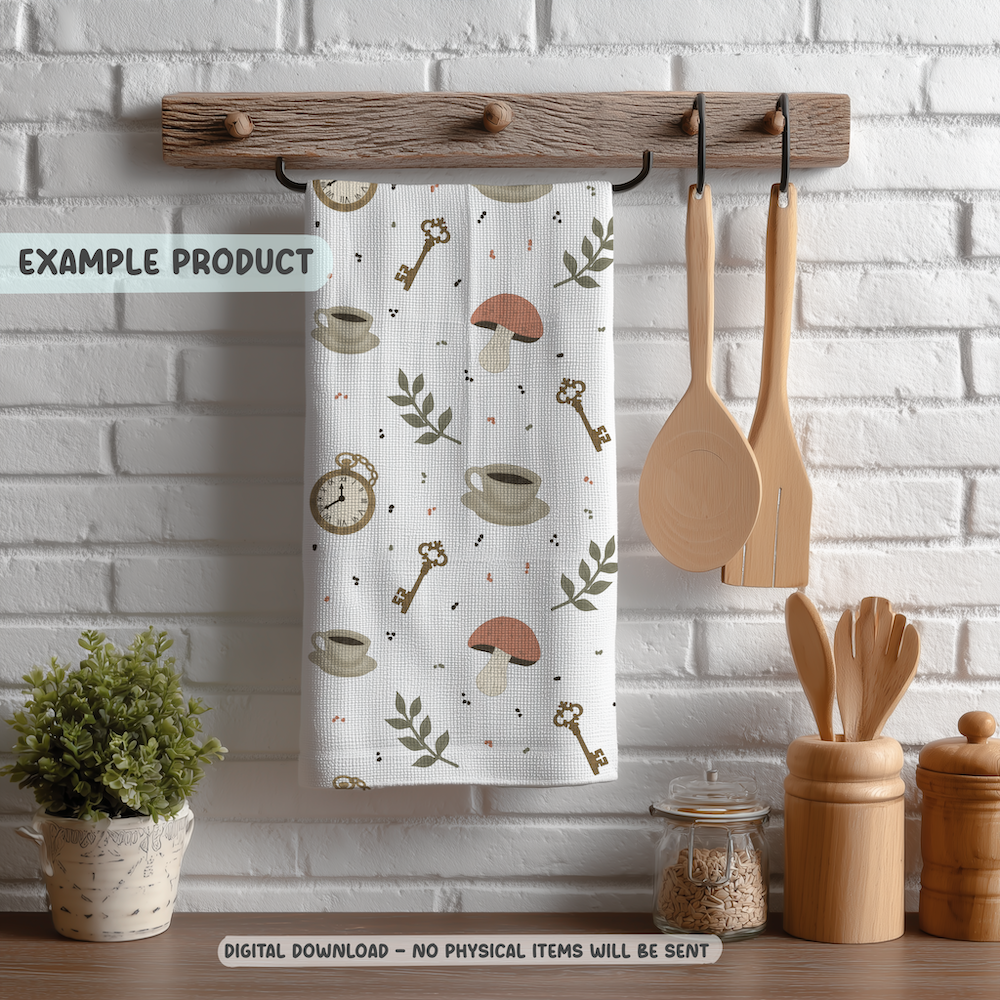
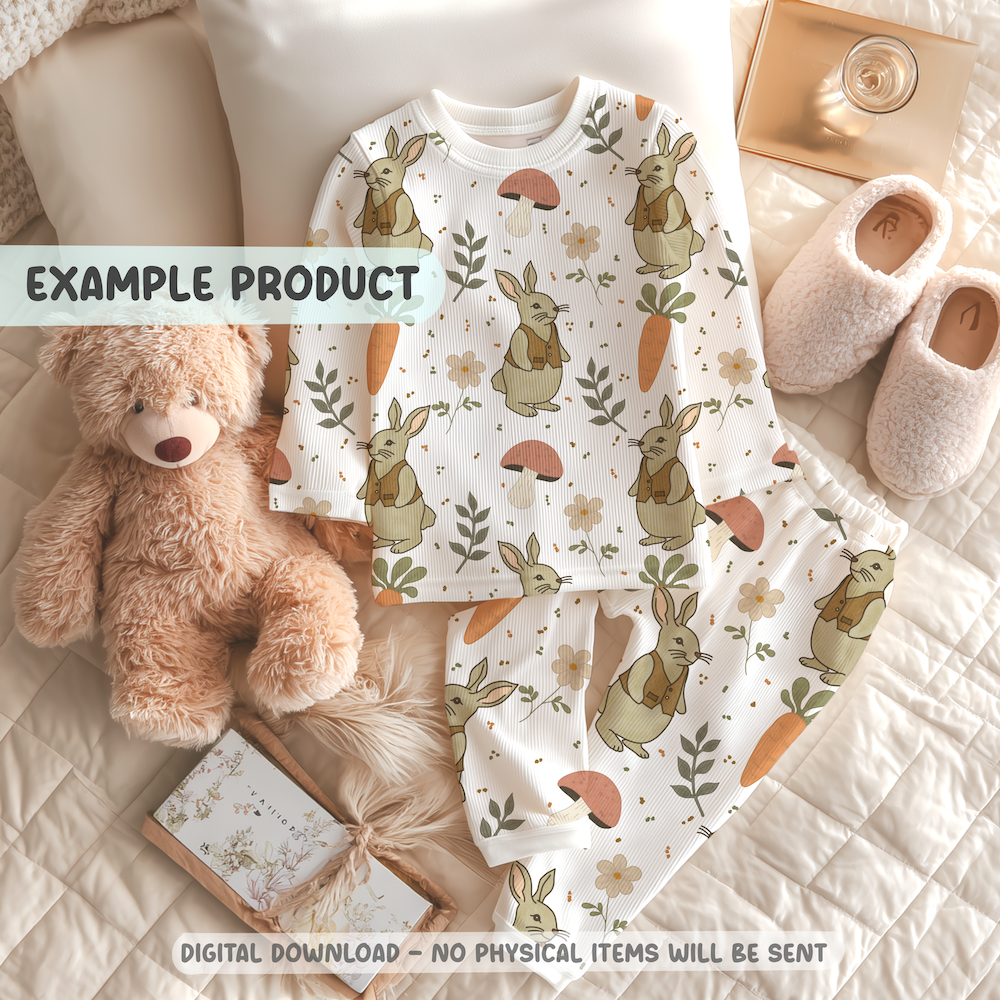
Fabric is one of the most common uses for repeating patterns. Textile prints rely on seamless designs so the fabric can be cut and sewn without disrupting the visual flow of the design. Clothing, upholstery, and quilting fabrics all rely on repeat patterns.
Wallpaper is another natural fit for seamless patterns. Because walls require large areas of coverage, repeat patterns allow designers to extend artwork across entire rooms without visible seams or interruptions.
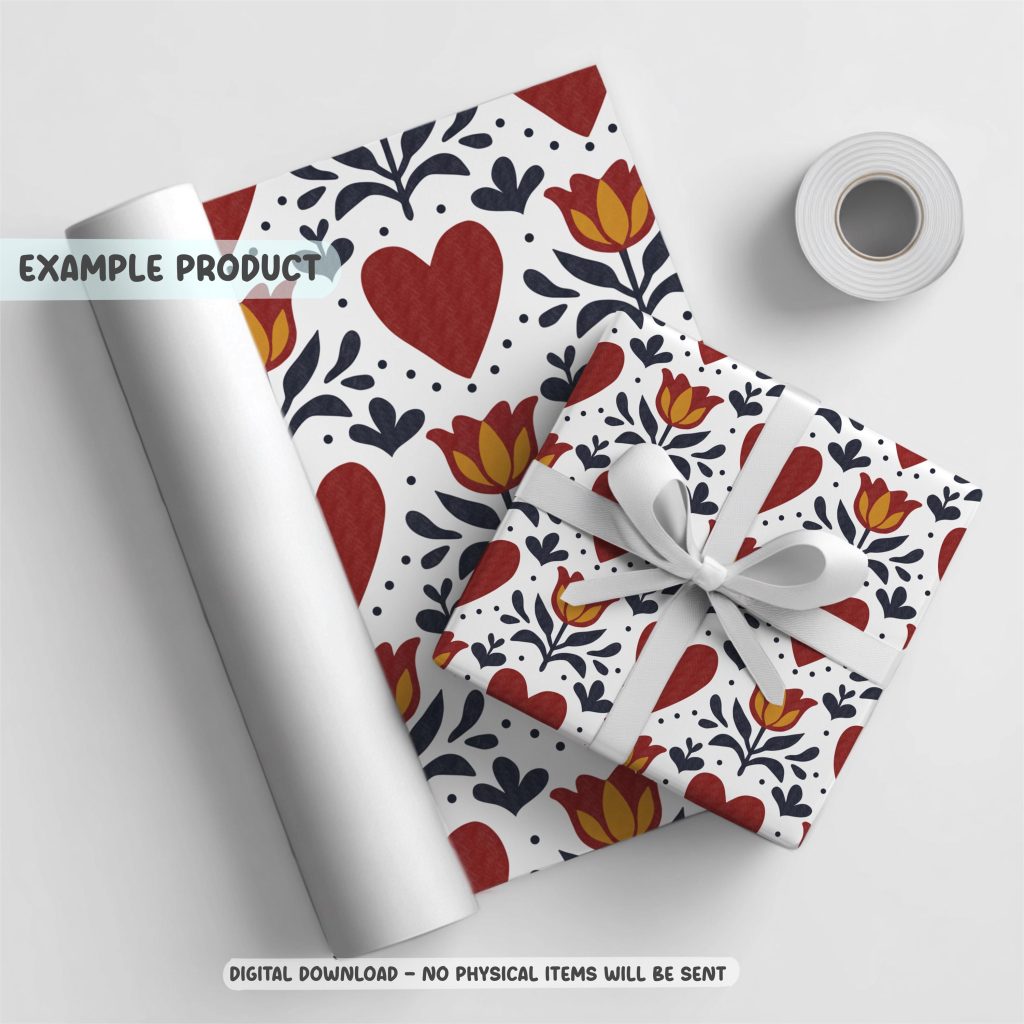
Wrapping paper is another product where patterns shine. Repeating designs ensure that the visual motif continues across large sheets of paper, making the final wrapped package feel cohesive and decorative.
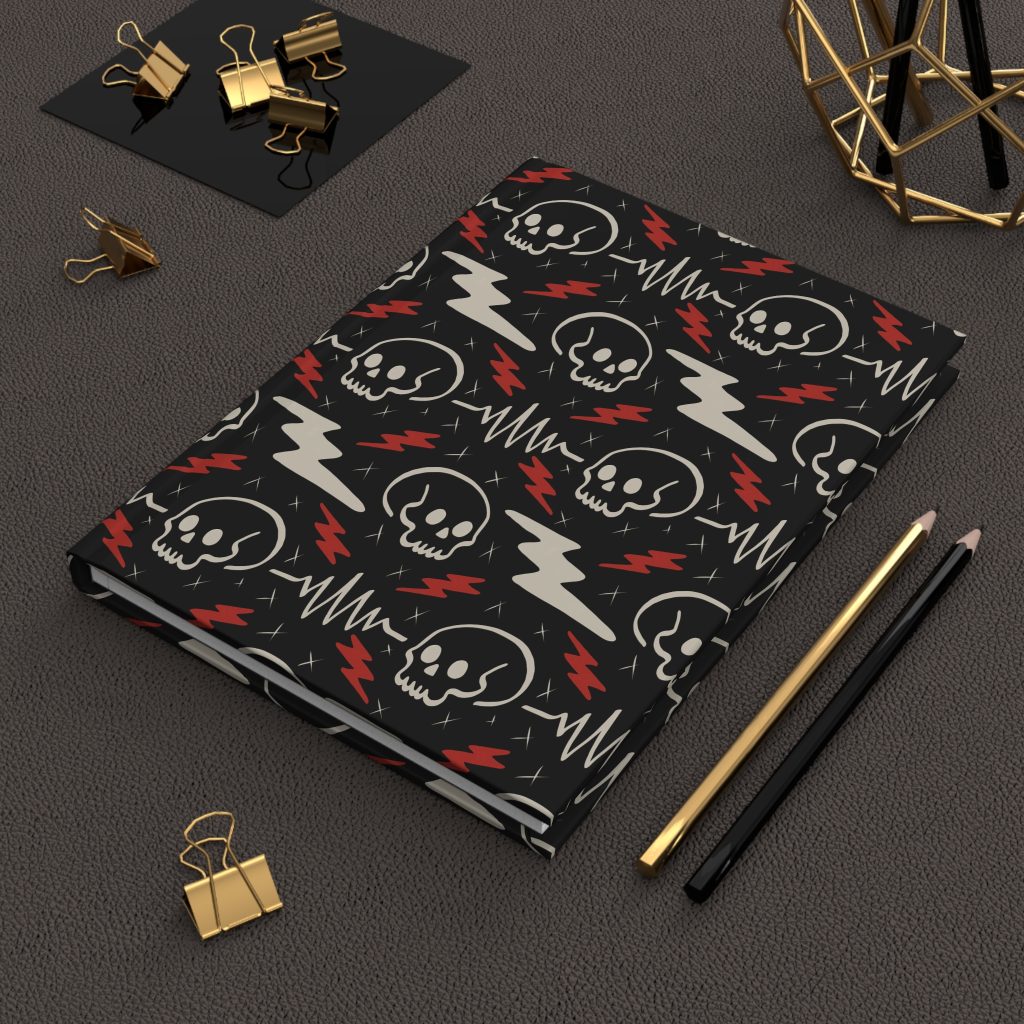
Notebooks and journals frequently feature patterned covers. A repeating design adds texture and interest to the surface without distracting from the main function of the product.
Greeting cards can also incorporate patterns as background designs. Subtle repeating motifs can add atmosphere while leaving space for typography or illustrations.
Stickers are another popular product category for pattern designs. A seamless pattern can be used to create sticker sheets or decorative background elements.
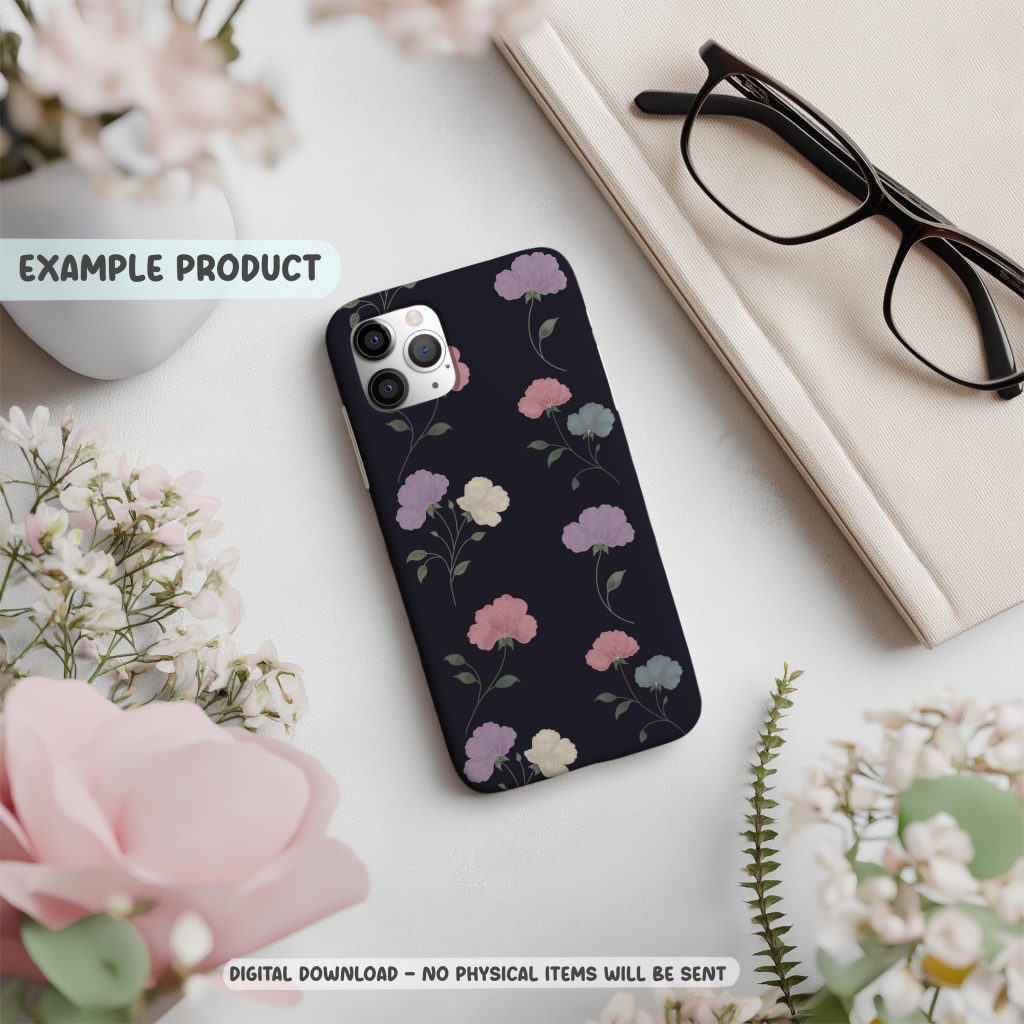
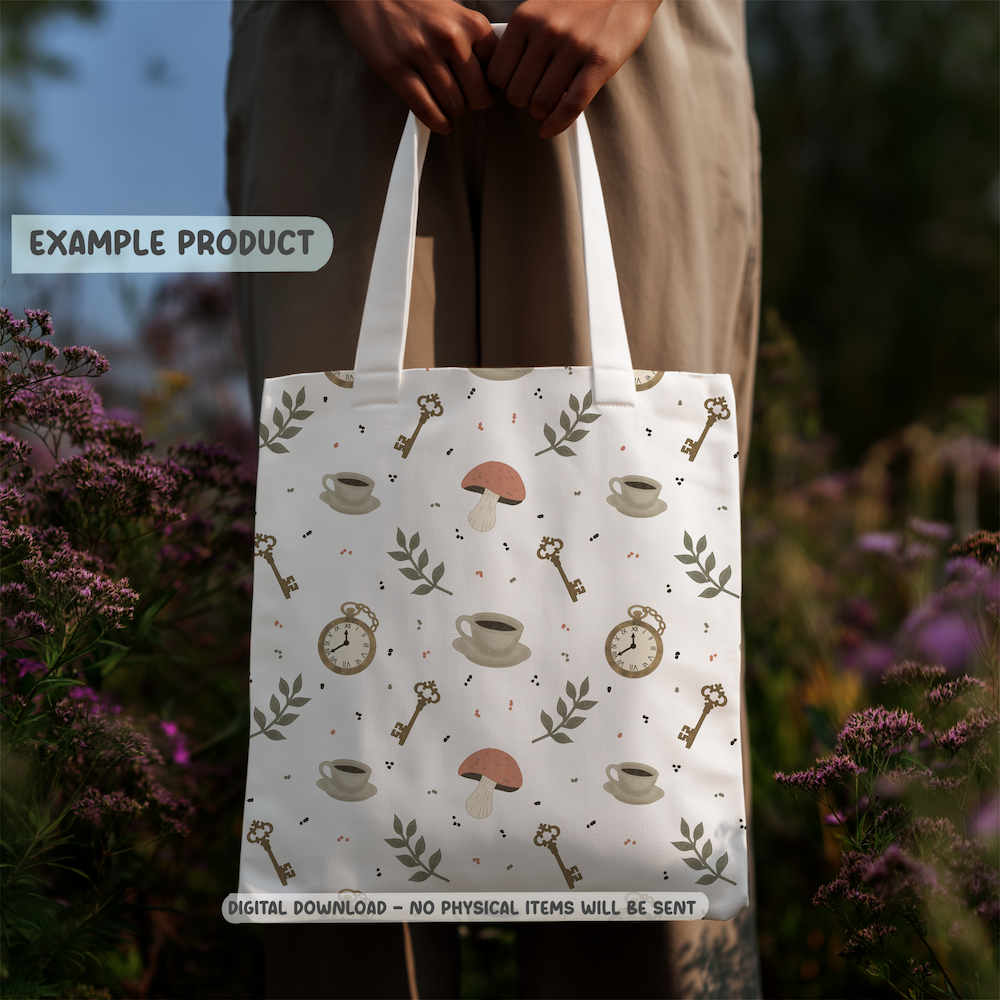
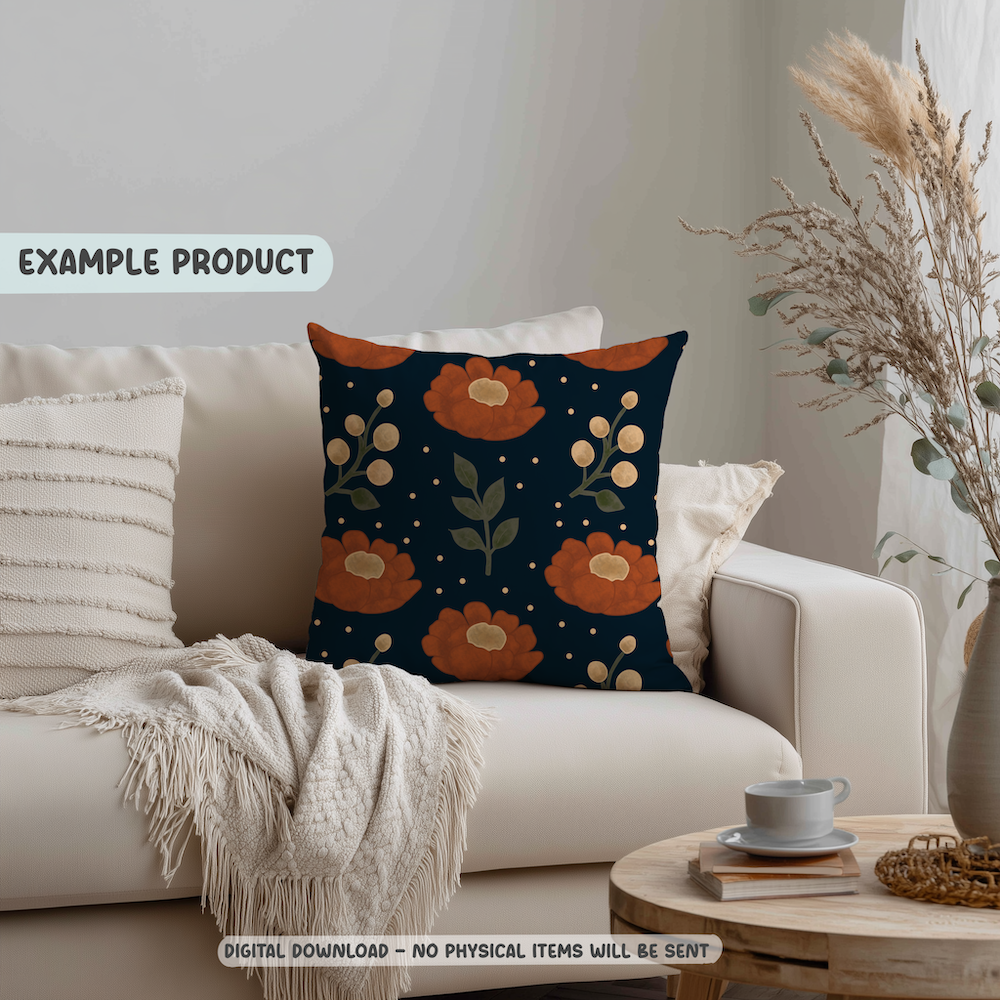
Phone cases and laptop skins often feature repeat designs because they scale well across different device sizes. A pattern that looks subtle on a phone case might appear bold and graphic on a larger laptop surface.
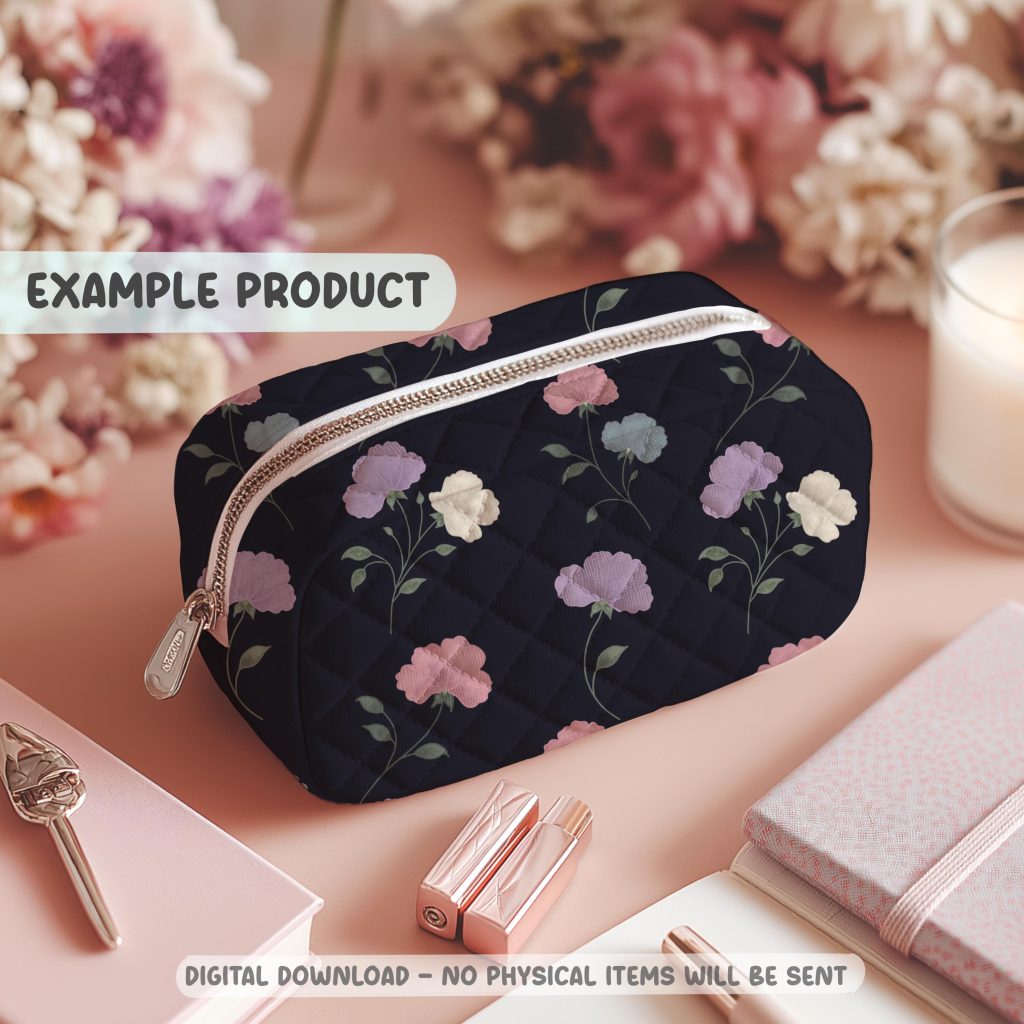
Tote bags and fabric accessories are another natural use for patterns. Because fabric items move and fold, repeating designs help maintain visual consistency even when the material shifts.
Home décor products frequently rely on patterns as well. Items such as throw pillows, blankets, curtains, and table linens benefit from designs that repeat naturally across larger surfaces.
Stationery products like planners, calendars, and notebooks often incorporate patterns to create cohesive product collections. A single design might appear across several related items.
Gift bags and packaging inserts are another area where patterns are widely used. Many small businesses use repeating designs for tissue paper, packing materials, or branded packaging elements.
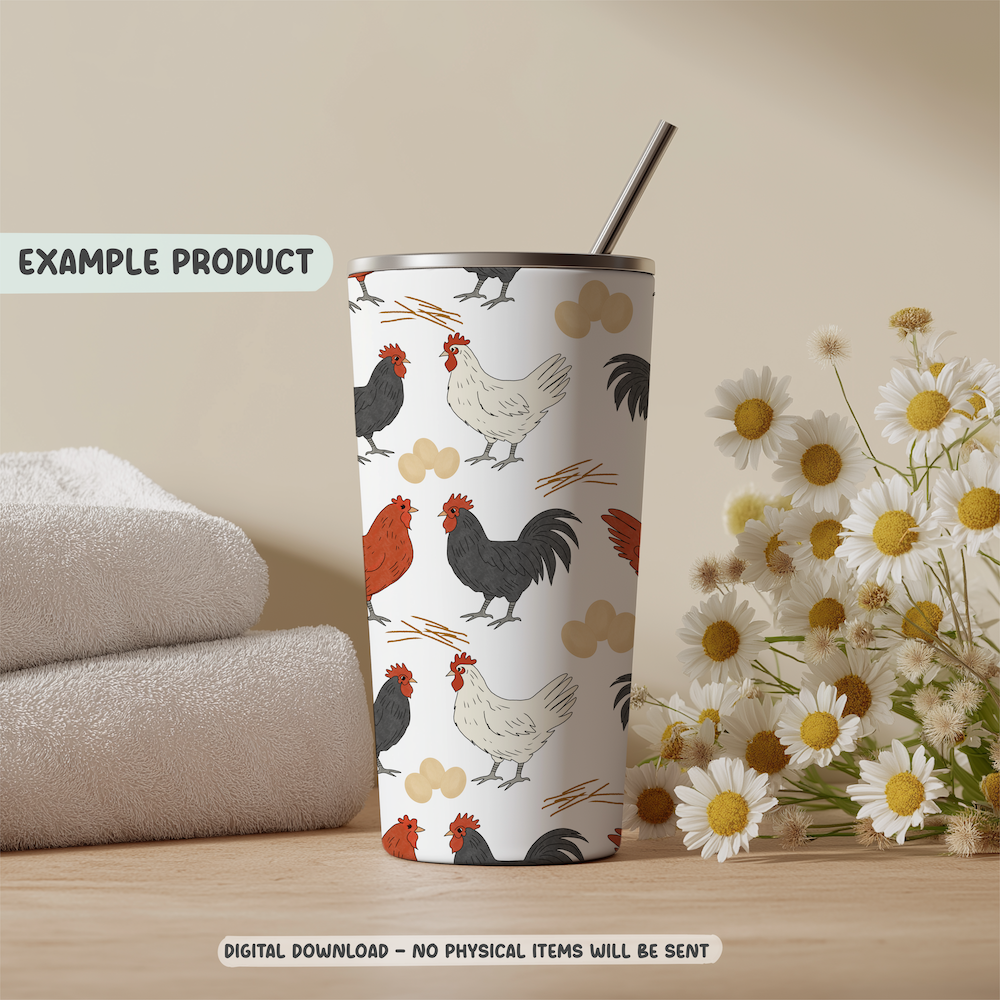
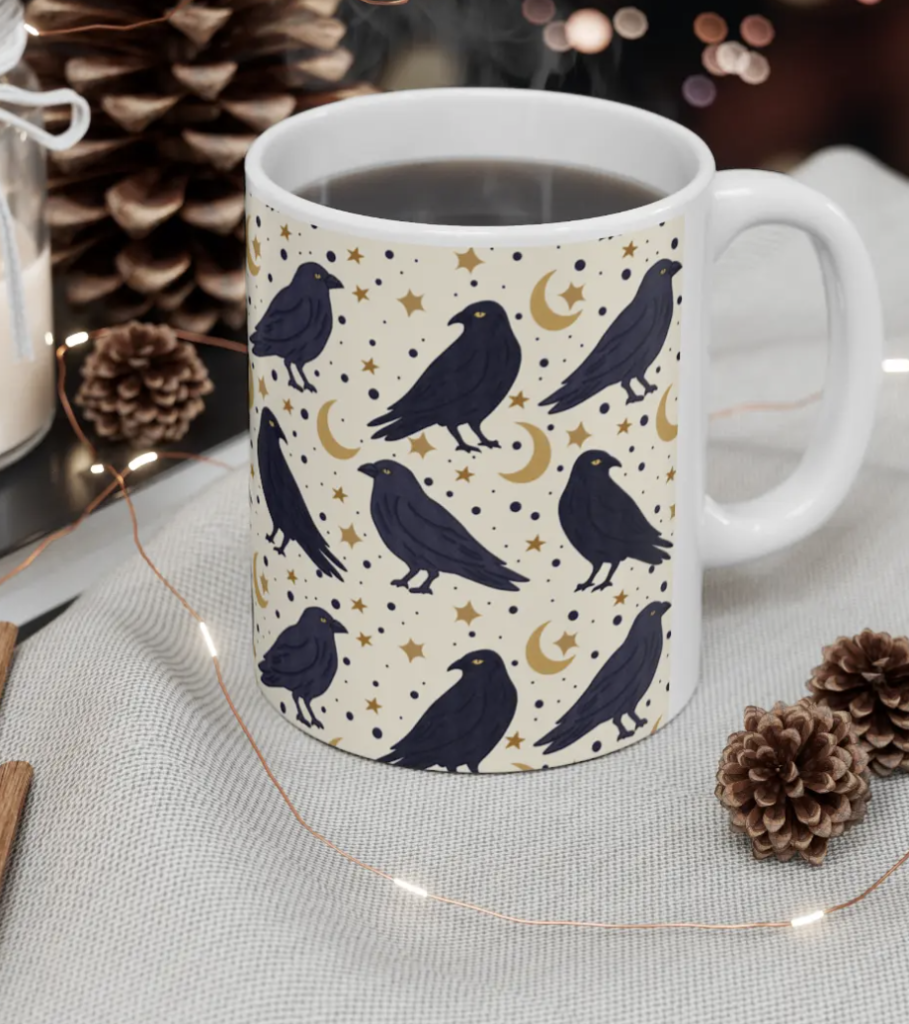
Patterned mugs and drinkware have become increasingly popular through print-on-demand platforms. Because patterns wrap around curved surfaces smoothly, they work well on cylindrical shapes.
Wall art and printable posters can also incorporate repeat designs. Some artists create full pattern-based prints that act as decorative art pieces.
Fabric accessories such as scarves, bandanas, and hair accessories frequently use repeating patterns because they create dynamic visual movement.
Tableware products like placemats, trays, and coasters also benefit from patterned designs. The repeat structure helps unify the product set.
Gift wrap accessories such as ribbon designs, tags, and decorative labels can incorporate small repeating motifs.
Digital planners and printable journaling pages often include subtle pattern backgrounds to add visual interest.
Book covers sometimes incorporate repeating motifs to create textured visual themes that support the story or brand identity.
Party supplies like paper plates, napkins, and decorations frequently rely on patterns for visual cohesion.
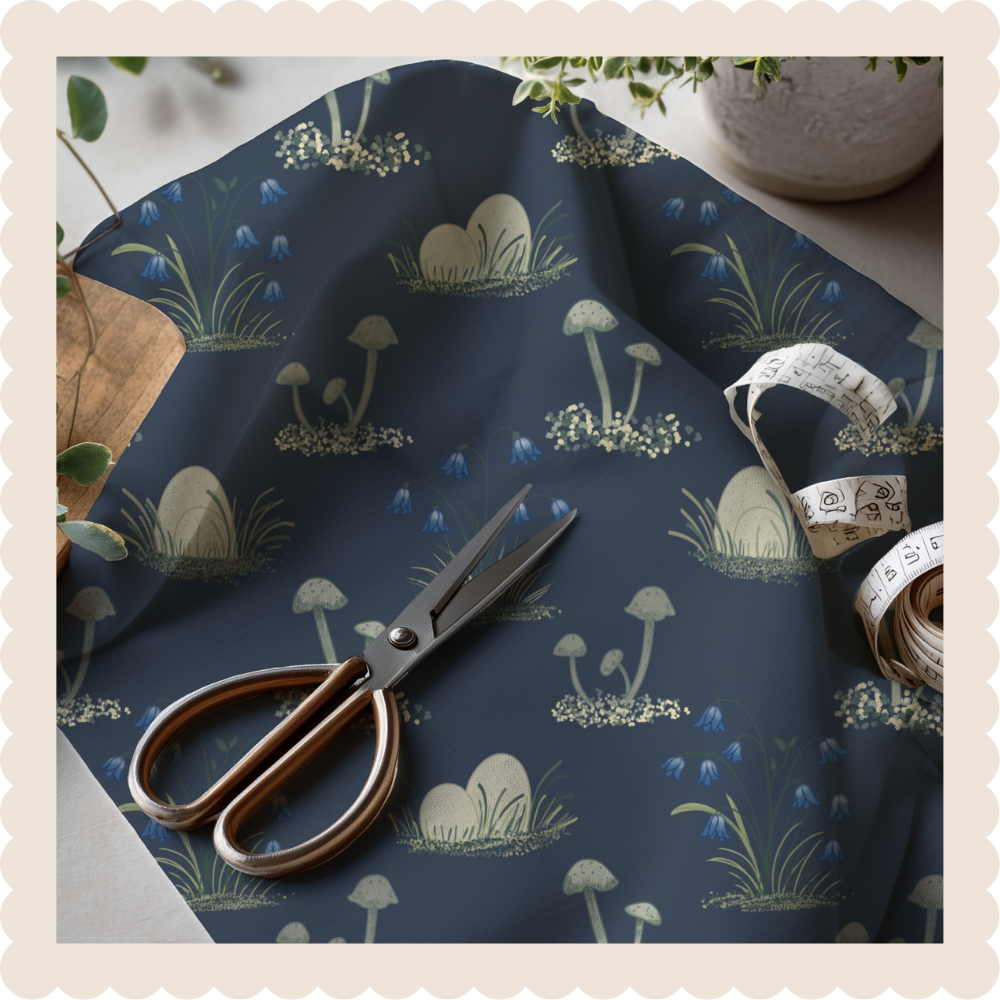
Fabric-based craft products such as quilting squares and sewing kits depend heavily on seamless repeat designs.
Phone wallpapers and digital backgrounds are another creative use of repeating patterns in the digital space.
Art prints featuring dense pattern designs can function as decorative wall art in their own right.
Scrapbooking papers frequently feature seamless designs that coordinate across multiple pages.
Stationery sets including envelopes, writing paper, and notebooks often rely on repeat patterns to create visual continuity.
Product packaging for soaps, candles, and cosmetics frequently includes repeating designs to enhance branding and create a more polished presentation.
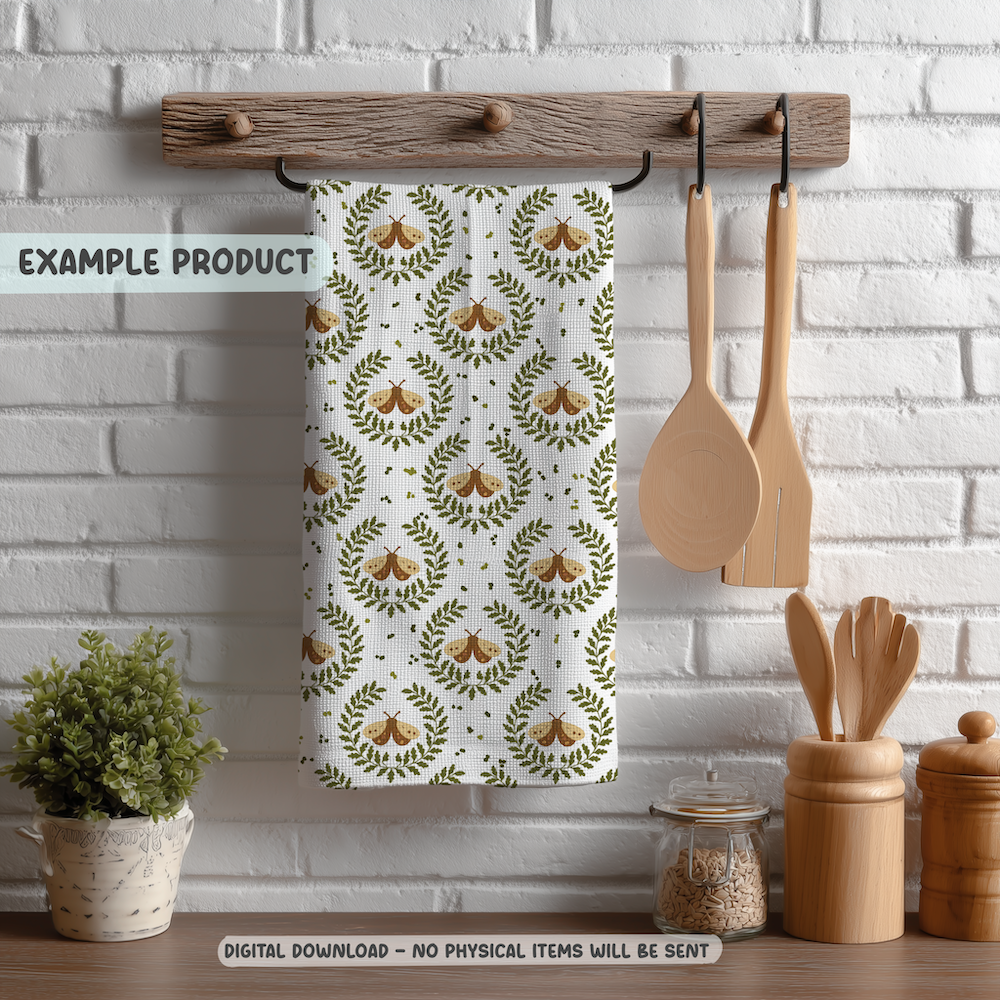
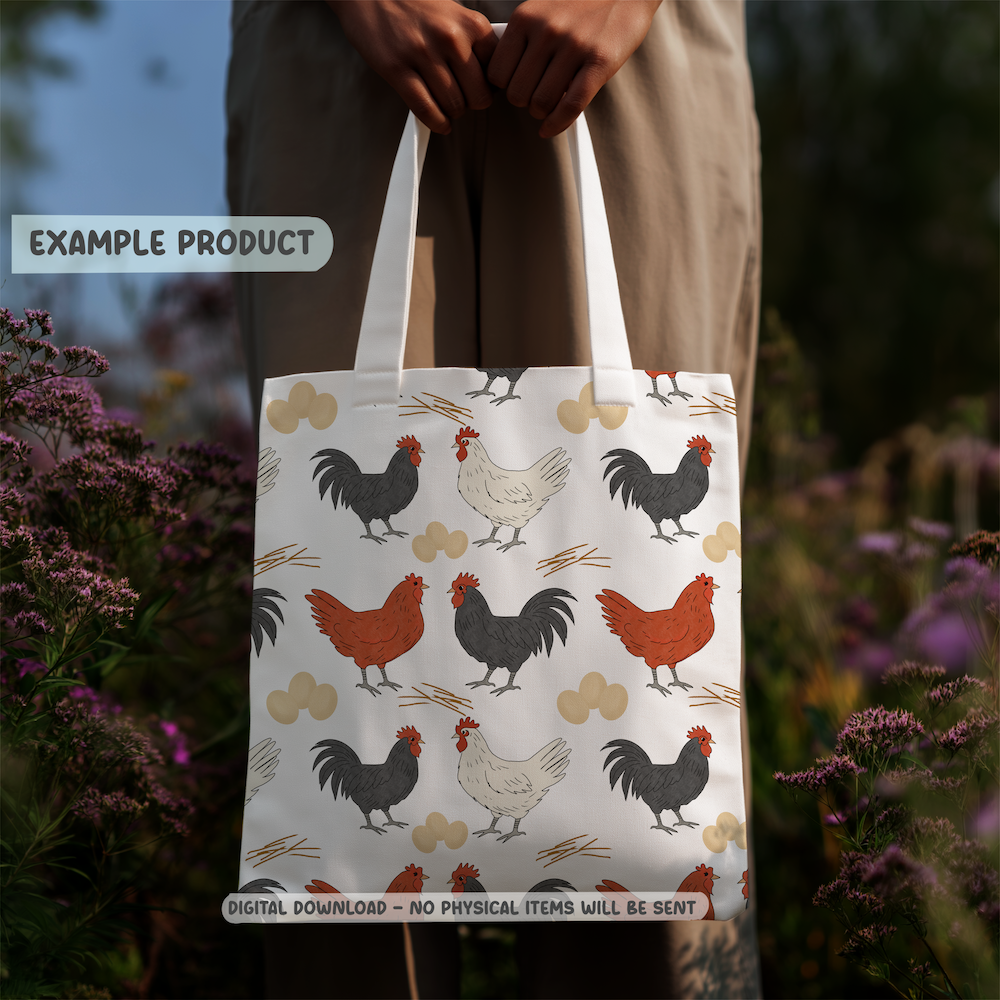
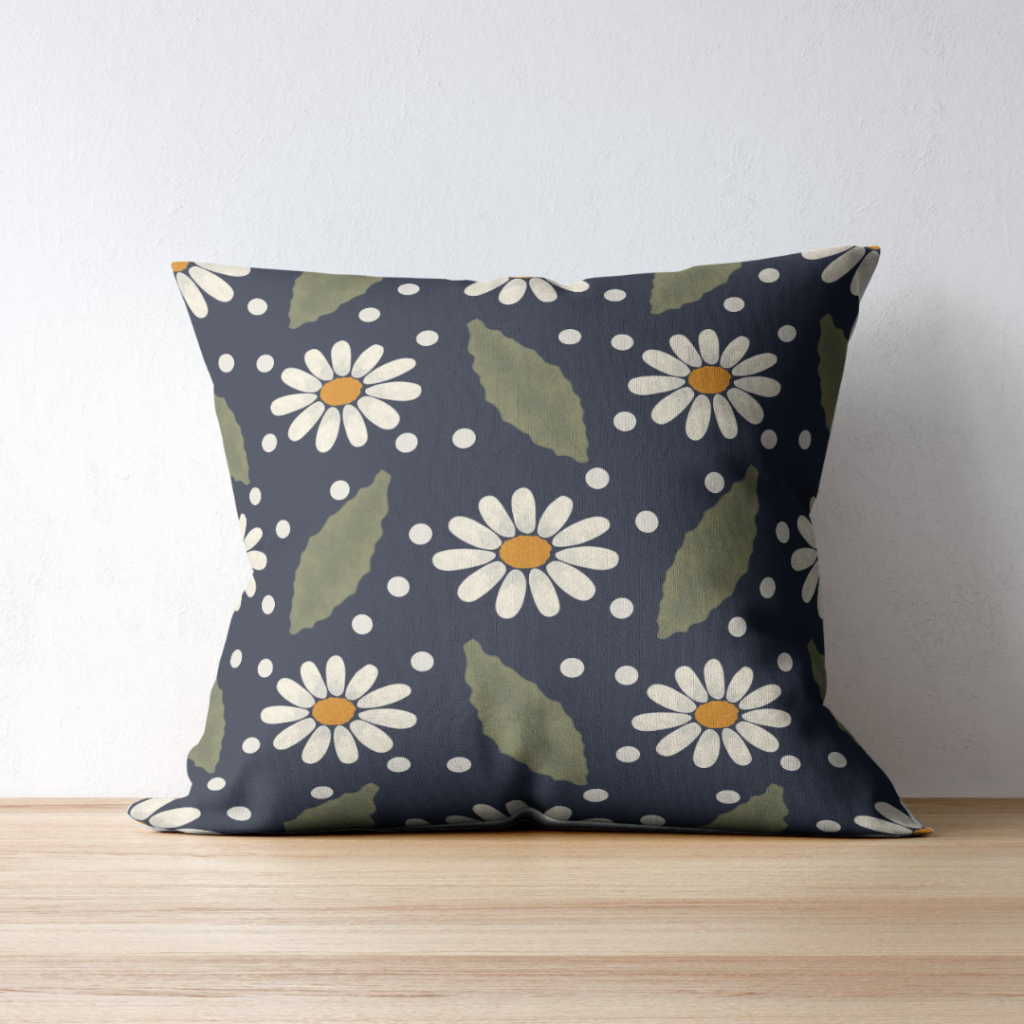
The beauty of seamless patterns lies in their adaptability. A single design can appear across dozens of products while maintaining a consistent aesthetic. For artists and small businesses, this makes patterns an incredibly valuable design asset.
Instead of creating separate artwork for every product, a thoughtfully designed pattern can expand across an entire collection. The same repeat might appear on fabric, packaging, stationery, and digital graphics while still feeling cohesive.
When used thoughtfully, seamless patterns transform everyday objects into visually engaging pieces. They add texture, rhythm, and personality to products while maintaining the flexibility needed for modern design applications.